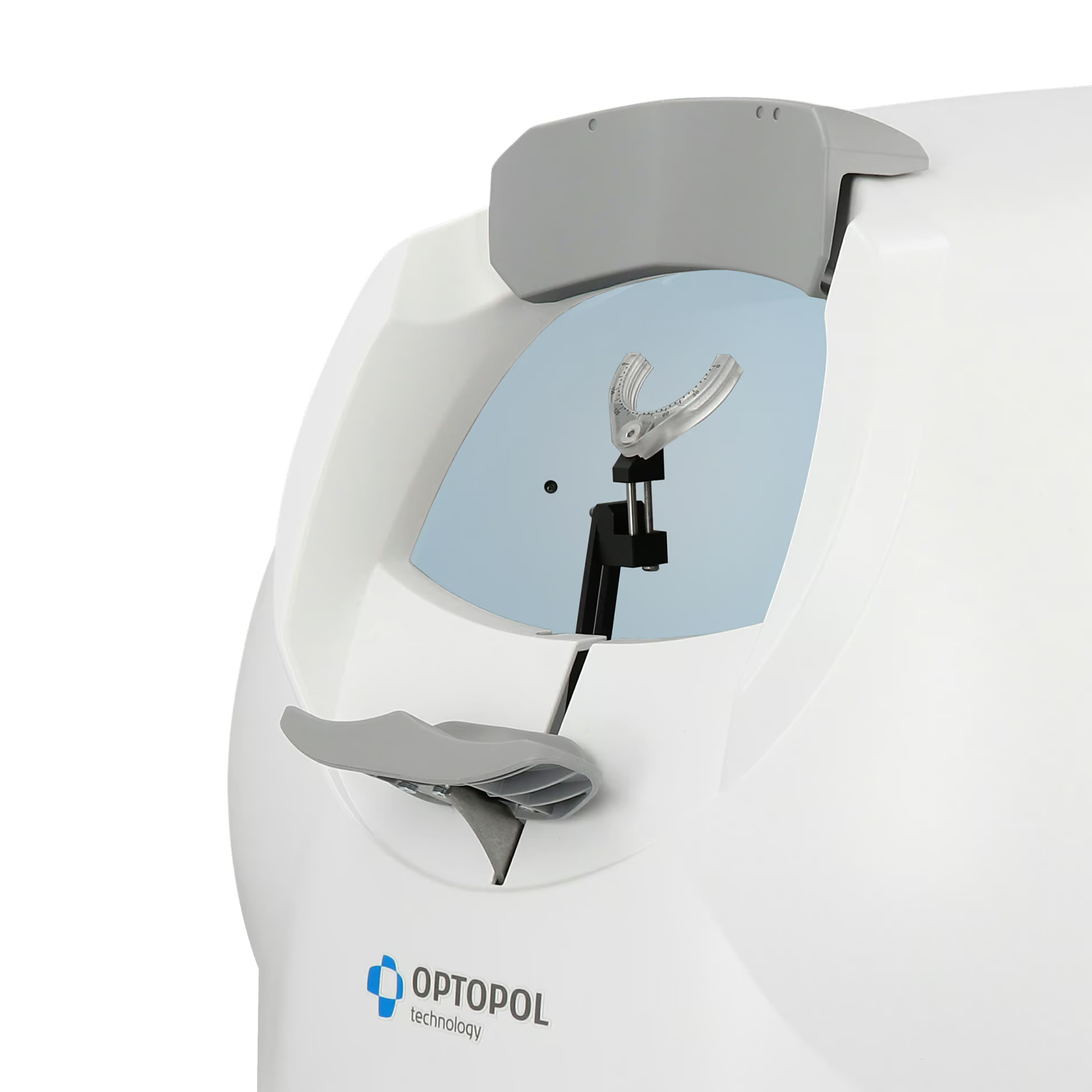
Description
Explore our Features
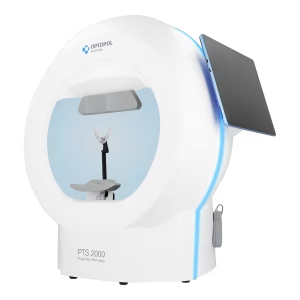
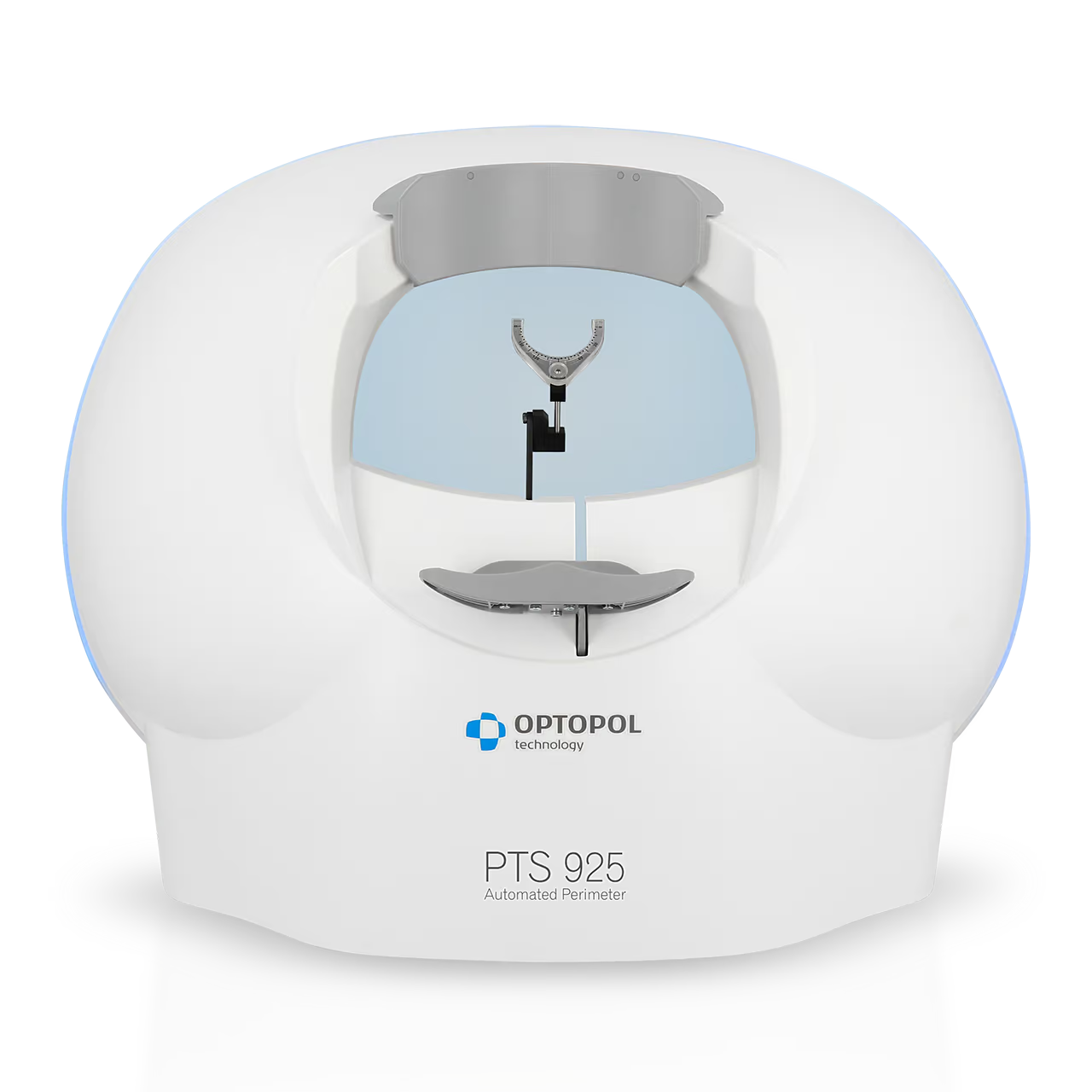
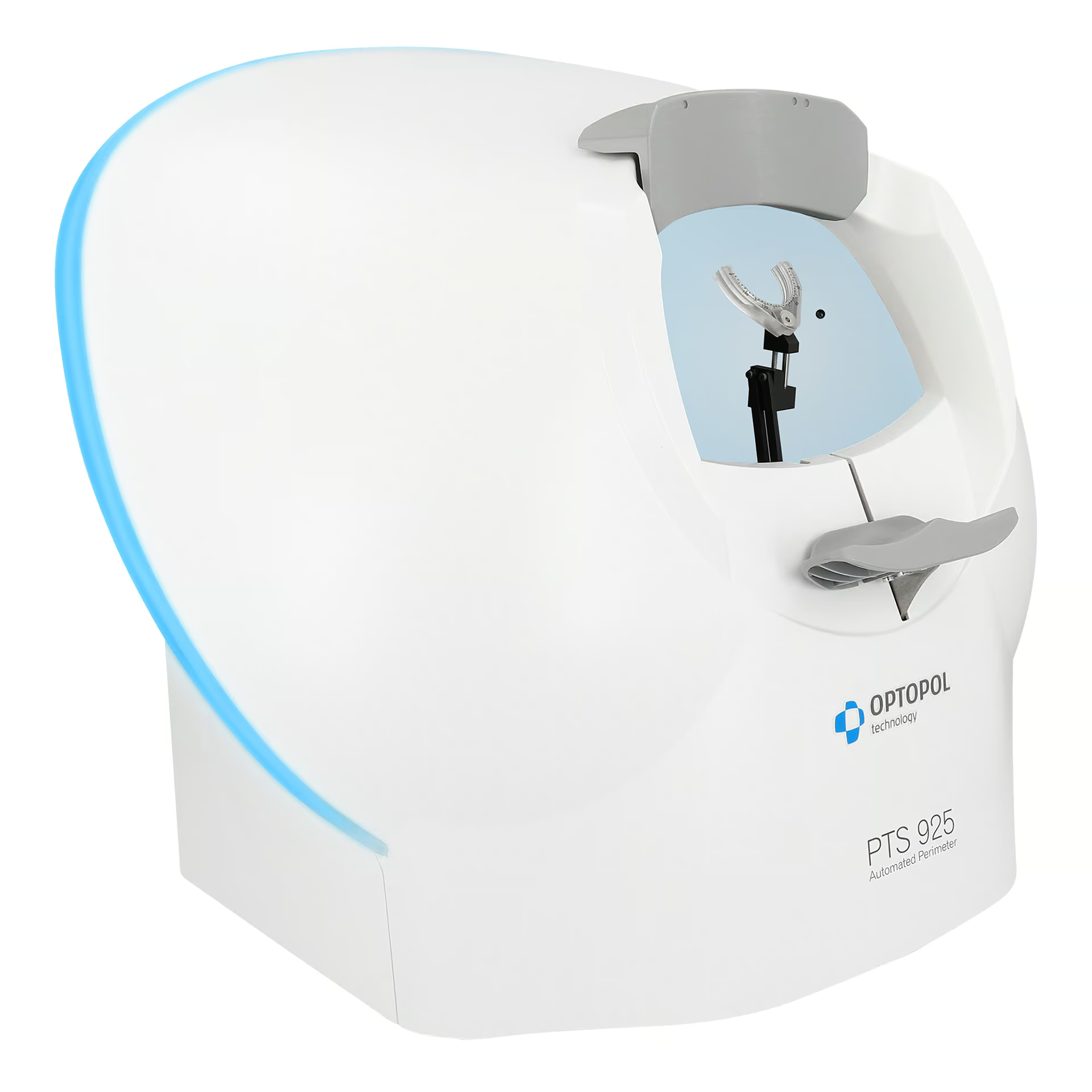
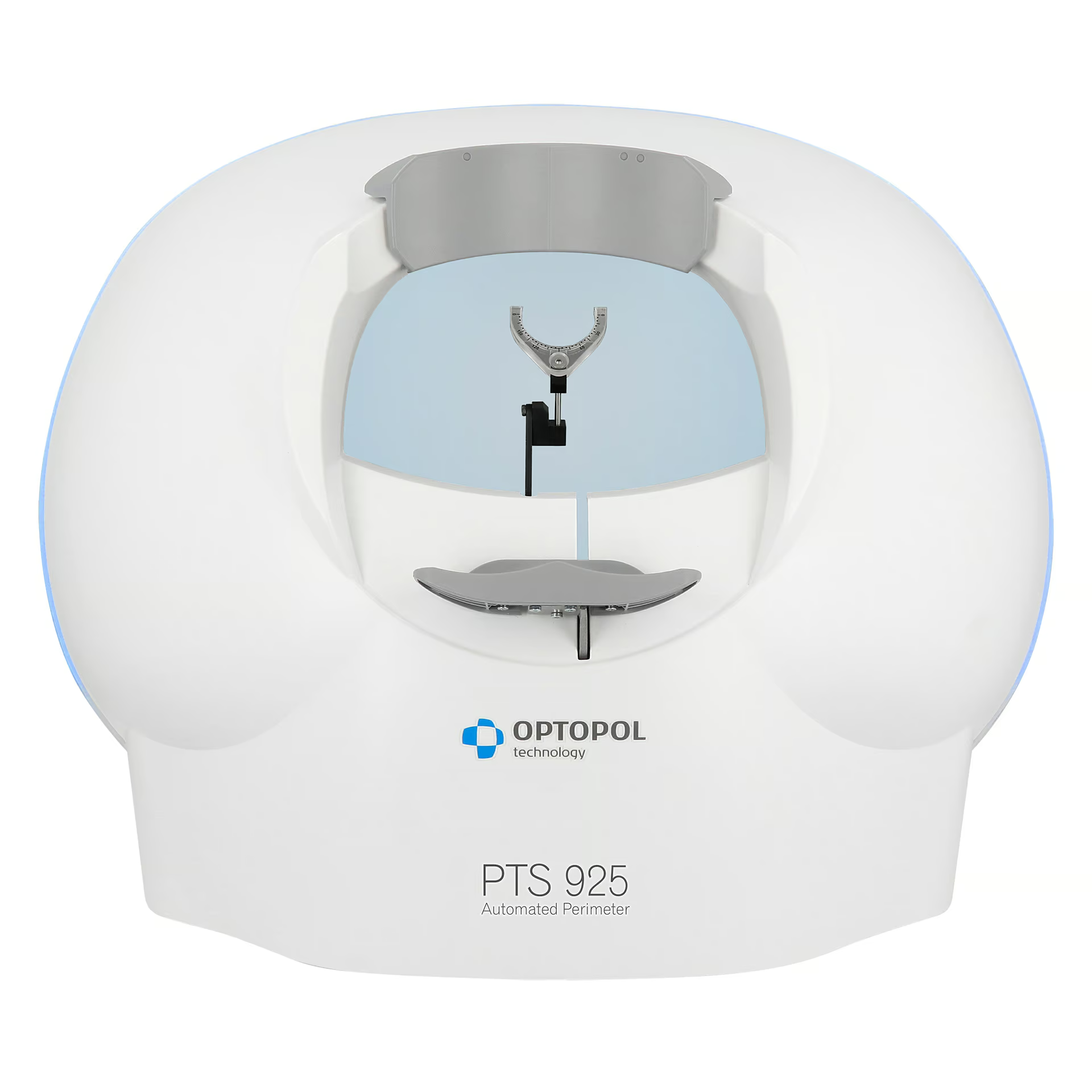
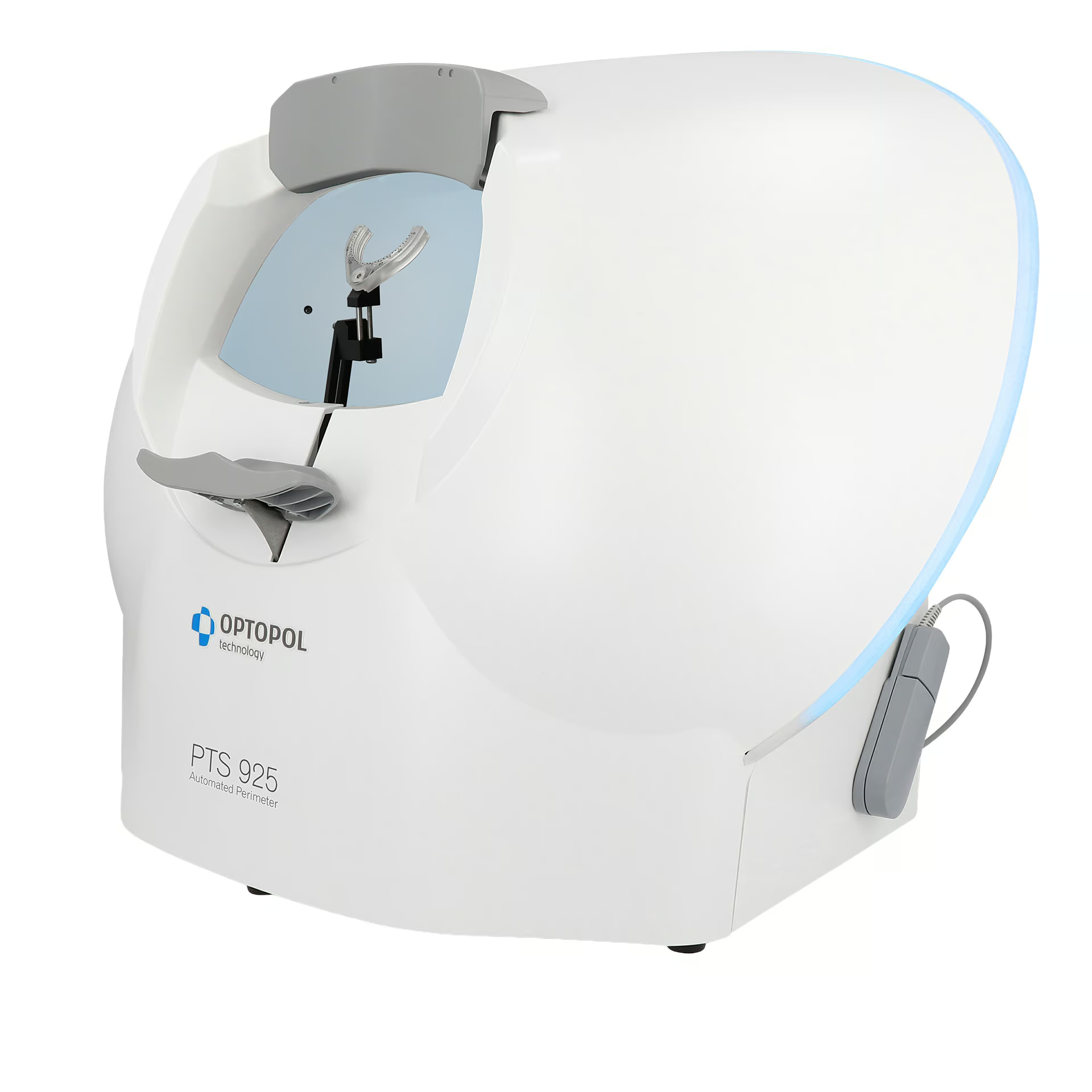
PTS 925
 Fast Thresholding
Using ZETA™ thresholding algorithms, test your patients in under 3 minutes.
 DPA™ Defect Progression Analysis
Create a baseline and follow disease progression over time.
 Eye Tracking
Monitor patient pupil movement during examination.
 EyeSee™
In the review screen, click on any point during the exam to see the eye position.
 Blink Detection
Our software detects when the eye is closed, and will not present stimuli to the patient.
 Voice Guide
Voice messages assist operator and patient during the examination.
 Head Tracking
Live monitoring and automated adjustments throughout exams.
Technical Specifications
| Examination bowl | 300 mm radius, spherical, closed type, ventilated |
| Tested field range | Superior – 40° (55° with fixation shift) Inferior – 40° (55° with fixation shift) Left to right – 100° (170° with fixation shift) |
| Testing techniques | Static perimetry |
| Stimulus sizes | Goldmann III |
| Stimulus colors | white |
| Background illumination | White 10 cd/m2 (31,5 asb) |
| Maximum stimulus intensity | 10000 asb |
| Fixation control | Gaze tracking Blink monitoring Heijl/Krakau EyeSee™ |
| Chinrest control | Electrical up-down |
| Patient response time | Set manually 0,1 to 9,9 s Adaptive to patient speed |
| Test fields | Orthogonal test field patterns G0-2, 5-2, 10-2, 24-2, 24-2C, 30-2, 30-2C, Sup 44/64, Gandolfo |
| Test strategies | Screening (Quantify defect, 3-zone, 2-zone) Threshold (Threshold, Fast Threshold, Advanced Threshold, Dynamic) ZETA™, ZETA™ Fast and ZETA™ Faster Special (BSV, Flicker) Esterman Monocular Test Esterman Binocular Test |
| Analysis | Single field analysis Result comparison analysis DPA™ Defect Progression Analysis Statistical package |
| Connectivity | DICOM Storage SCU DICOM MWL SCU GDT, TXT, CMDL Networking REVO Structure & Function Interface |
| Device interface | USB 2.0 |
| Dimensions mm (HxWxD) | 410 x 568 x 410, 9 kg |
| Operating Voltage | 100-120 V AC 50-60 Hz or 220-240 V AC 50-60 Hz |
| Power consumption | 30 W |